
If your stress management plan includes color coded calendars, productivity apps, and a promise to “just get more organized next week” … we need to talk.
Because if you’re overwhelmed, it’s probably not just work.
It’s the emails and the meetings, sure. But it’s also the school drop offs. The carpools. The practices. The dinner you forgot to defrost. The group texts. The family logistics. The mental checklist that never actually shuts off.
And when your brain never gets a break, your body doesn’t either.
That constant low grade pressure doesn’t just live in your thoughts. It settles in physically. In your tight shoulders. In your clenched jaw. And the way out isn’t downloading another app or reorganizing your calendar.
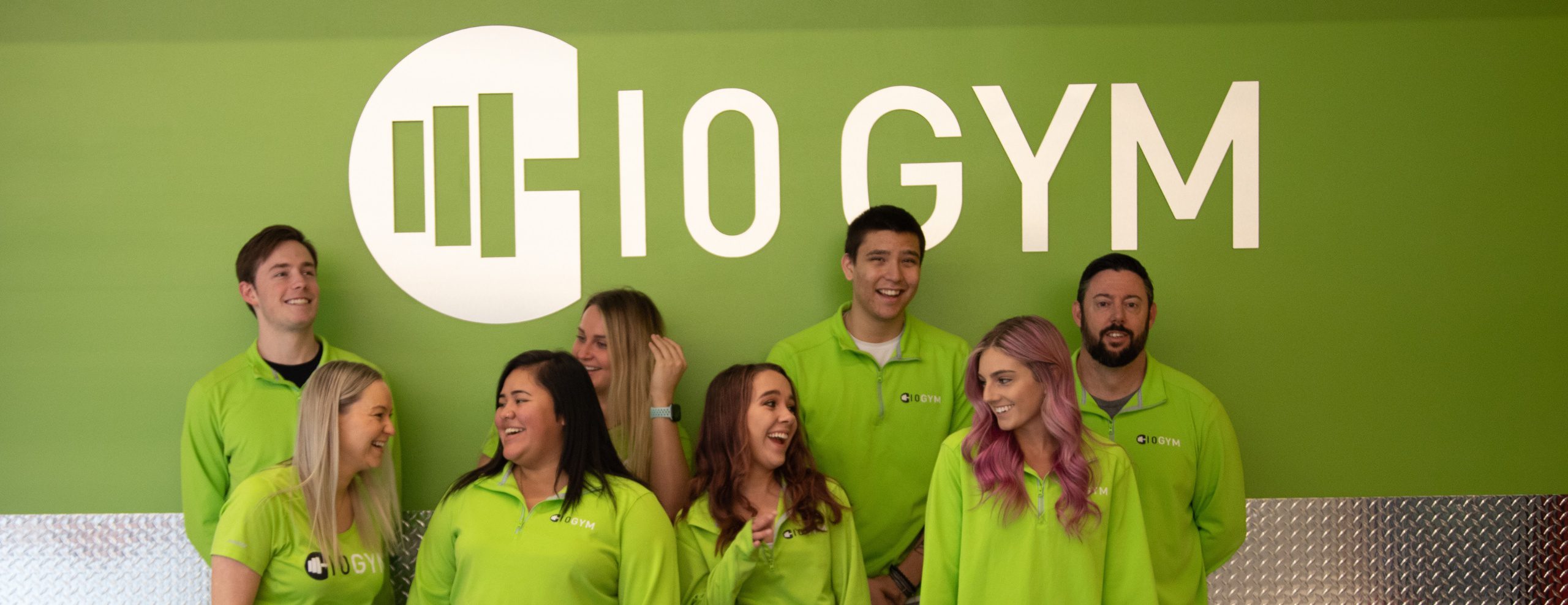
It’s reconnecting with your body. That’s part of why so many people find themselves at our gyms in Oklahoma and Arkansas for more than a workout.
It’s not just about building strength. It’s about creating space. Space to breathe. Space to move through the tension of the day. Space to feel steady again before stepping back into everything waiting for you.
Because underneath all that tension, there’s something real happening inside your body.
When you’re stressed, your body releases cortisol. It’s your built in alarm system. And it doesn’t care whether the pressure is a deadline or a toddler meltdown in the cereal aisle. Your brain reads it as demand. Cortisol rises. Your heart rate increases. Muscles tighten. You shift into go mode.
The problem is, most of us stay there.
You move from work mode to parent mode to partner mode without ever letting your nervous system power down. You’re constantly responding. Solving. Anticipating. Holding it together.
Here’s the part no life hack can fix: you can’t think your way out of a stress response.
You have to move your way through it.
Exercise helps your body process cortisol instead of storing it. When you lift, walk, run, swim, or push through a strength session, you’re completing the stress cycle. You’re giving all that pent up tension somewhere to go.
And it’s not just physical. Movement boosts endorphins, supports dopamine balance, and improves emotional regulation. Which means you’re more patient at bedtime. Less reactive during homework battles. Less likely to snap when one more thing gets added to your plate.
For millennials especially, the mental load is real. Careers. Kids. Aging parents. Relationships. Community commitments. Maybe you’re navigating big transitions on top of all of it. Your brain gets tired. Your body carries what your mind can’t keep organizing.
That’s where the gym becomes more than a workout. It becomes a reset. A boundary. An hour that’s just yours. You’re not producing. You’re not managing anyone else’s schedule. You’re breathing. You’re moving. You’re regulating.
Mind and body aren’t separate systems. When your body feels steady, your mind follows. That’s why our Oklahoma and Arkansas gyms are becoming less about hustle culture and more about balance.
You don’t need a better planner.
You need a nervous system that feels safe. Start with movement. Start here.
Before you start an exercise program or make changes to your nutrition, it’s important to consult with your doctor. This article is intended for information and ideas and is not a substitute for professional care. When it comes to training, your doctor is the best person to help you determine the safest and healthiest approach, especially if you have chronic or recurring health concerns.